
In Scotland, hiking trails offer visitors a chance to truly connect with the history and natural heritage of our country. Across the Highlands, exploring the islands and tracing coastlines, Scotland’s hiking trails will give you a true sense of the country. We’ve put together an overview of some of the most iconic hiking trails in Scotland, each one offering visitors a memorable way to experience a true taste of Scotland.
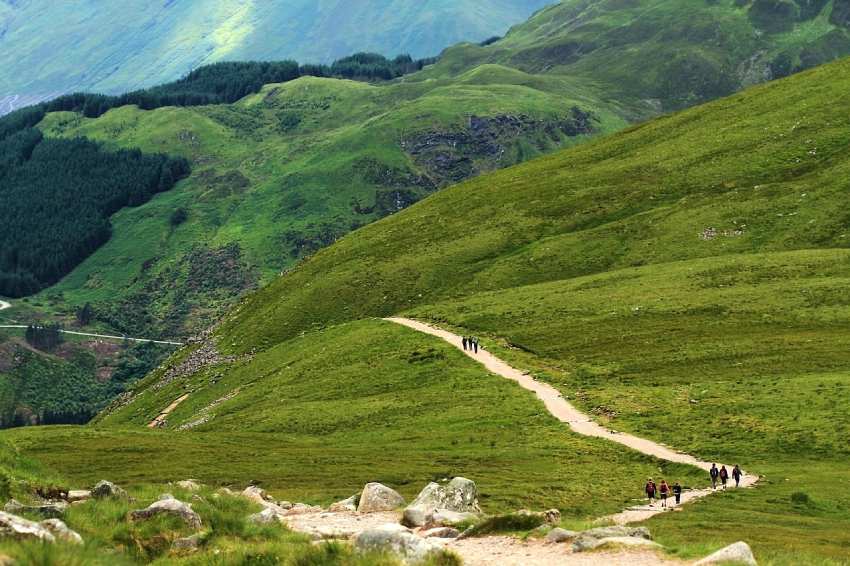

Iconic Walks Along Scotland’s Hiking Trails
Step onto a Scottish walking trail and you quickly realise it’s more than just fresh air and exercise. The ground underfoot carries centuries of history, from old drovers’ roads in the Highlands to paths that wind past ruined castles or island harbours. A walk here can take you from sea cliffs alive with seabirds to quiet glens where the only sound is running water — a way of experiencing the country that no guidebook can quite capture.Visitors to Scotland often say walking these ancient routes is the highlight of their trip. Even for the locals, there’s always another trail, and a new corner of Scotland, waiting to be discovered.
Start/Finish: Glen Nevis Visitor Centre
Distance: 17 km (10.5 miles) there and back
Difficulty: Strenuous (Munro ascent)
Allow: 7-9 hours for the full round trip
Why choose this hiking trail?
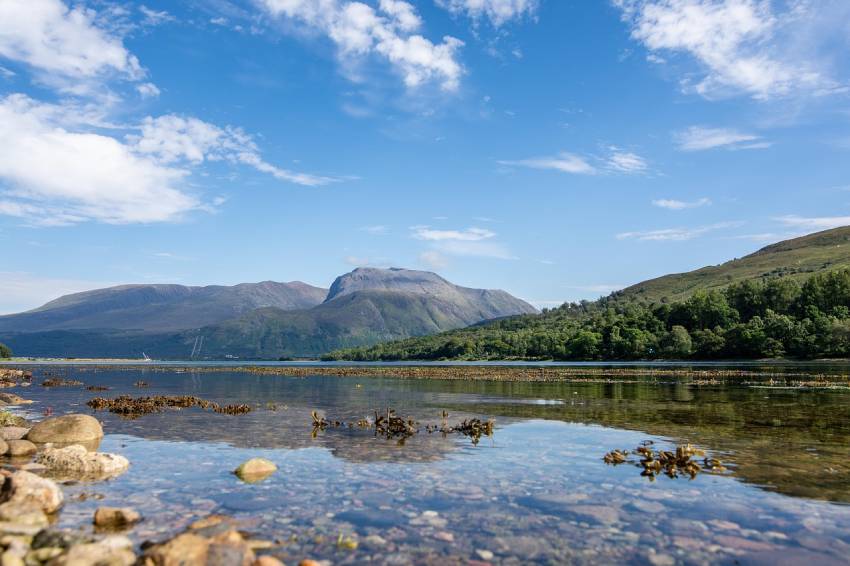
No list of Scotland’s hiking trails would be complete without an ascent of Ben Nevis. At 1,345 metres, it’s the highest mountain in the UK and the ultimate munro to bag for walkers. The most popular route follows the Mountain Path from the Glen Nevis visitor centre, climbing steadily through glens and rocky slopes. It’s a strenuous walk, around 16 kilometres there and back, but the summit panorama is like nowhere else — vast Highland ridges, sea lochs, and, on a clear day, the Hebrides.
For seasoned climbers, the Carn Mòr Dearg Arête offers a more challenging ridge traverse, characterised by dramatic and exposed terrain. For most, the Mountain Path is the safer way up.
Best time to hike: Late Spring to Early Autumn (May to September)
Snow and ice often linger on the summit into late spring so Summer offers the safest conditions with longer daylight hours, reducing risk and improving visibility for enjoying the spectacular panorama.Winter ascents should only be attempted by those with mountaineering skills and appropriate equipment.
Stay Overnight
Glen Nevis Caravan & Camping Park — Just a few minutes’ walk from the visitor centre, this site offers motorhome pitches with electric hook-ups, showers, and WiFi.
Start/Finish: Old Man of Storr Car Park
Distance: ~5 km / 3 miles (loop or out-and-back)
Difficulty: Moderate
Allow: 1.5–2.5 hours
Why hike this trail in Scotland?
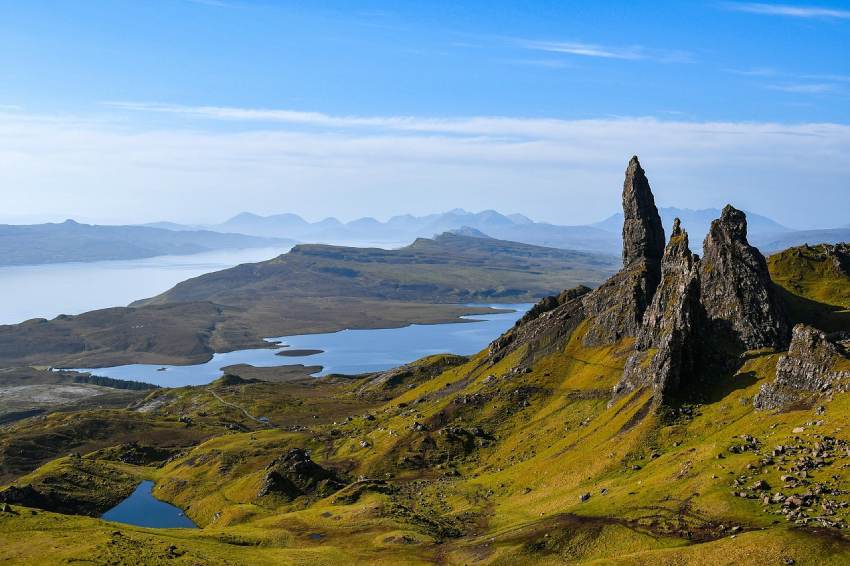
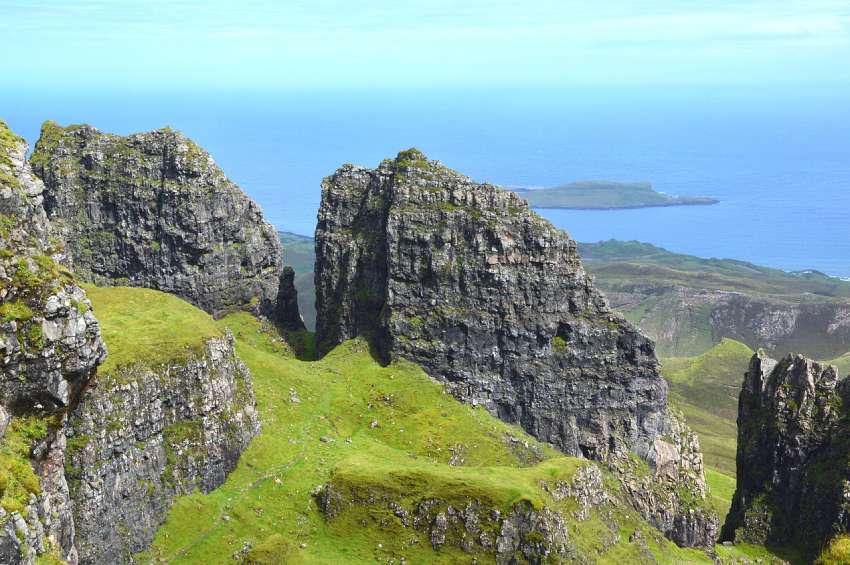
Few places in Scotland are photographed as much as the Old Man of Storr — yet the reality is even more atmospheric than the images. This is one of Scotland’s most iconic hikes, famous for its dramatic, jagged rock pinnacles, formed by ancient landslips, rising sharply against the skyline. The Old Man himself is a needle-like tower of stone rising against the sky, with sweeping views over the Sound of Raasay and the Cuillin mountains behind.
The trail on this short but steep hike is immensely rewarding, with views over the Trotternish Ridge, the Sound of Raasay, and the Cuillin Hills. Set off early to experience the sunrise turning the landscape pink and gold. On a misty day there’s a mystical, almost otherworldly atmosphere.
Best time to hike: Spring to Early Autumn (April to October)
Clearer skies in late spring and summer help you enjoy the full views, while early autumn adds a touch of golden colour to the moorland. It can be slippery in winter. Skye’s weather can be unpredictable year-round, but spring and summer provide the best chance of dry, clear days and vibrant landscapes. Autumn colours also add a magical touch, but rainfall tends to increase later in the year.
Stay Overnight
Sligachan Campsite – For a scenic stay this campsite offers campervan hard stands and electric hook ups.
Portree Campsite – Long established, family run campsite close to Portree
Start/Finish: Fairy Pools Car Park, Glen Brittle
Distance: ~4.5 km / 3 miles (out-and-back)
Difficulty: Moderate (some uneven terrain and stream crossings)
Allow: 1.5–2.5 hours
Why hike it?
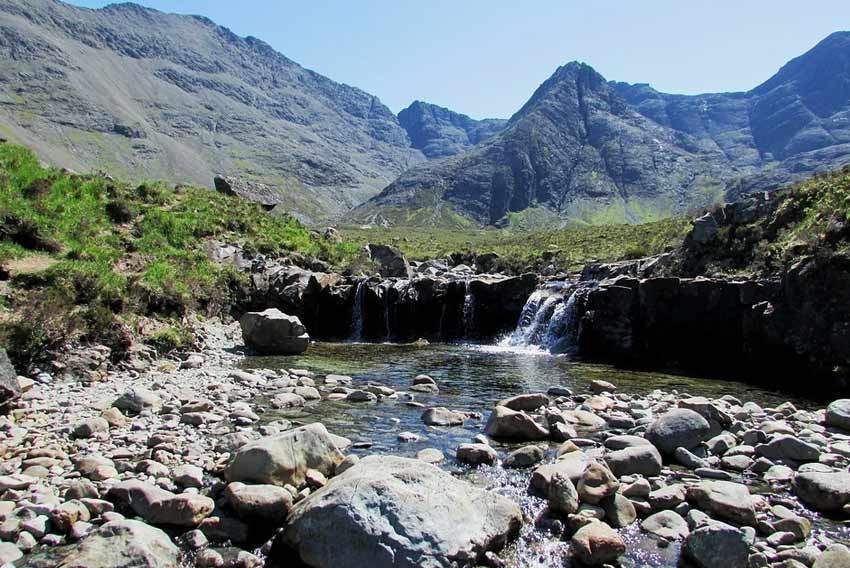
If the Old Man of Storr is Skye’s most famous rock formation, this walk to the Fairy Pools takes you to its most famous waters. These crystal-clear cascades tumble down from the Cuillin mountains, forming a chain of pools so vividly turquoise they look almost tropical — until you dip a toe and realise they’re icy cold year-round.
The trail from the Glen Brittle car park crosses moorland with a few stream hops, so waterproof boots help. Along the way, you’ll pass waterfalls that plunge into pools deep enough for wild swimming, though that’s only for the brave.
Best time to hike: Late Spring to Early Autumn (May to September)
Late spring and summer bring drier weather and the best conditions for exploring the pools safely and enjoying the surrounding views. Autumn sees fewer visitors but will be cooler and can be wetter underfoot. Winter months will be colder and wetter and the paths can get muddy and slippery. Many of the tourist facilities on Skye close in the winter time.
Stay Overnight
Glenbrittle Campsite – A short drive down the glen from the car park, right by the beach with incredible views.
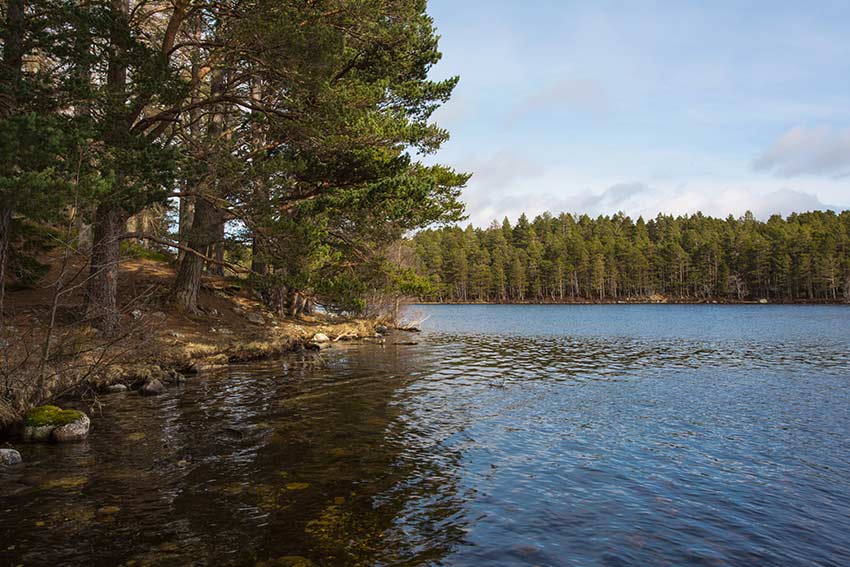
Start/Finish: Loch an Eilein Car Park (nr Aviemore)
Distance: ~5.3 km / 3.3 miles
Difficulty: Easy
Allow: 1.5–2 hours, or linger for longer
Start/Finish: Elie/St Monans
Distance: ~5.5 km / 3.4 miles (one way)
Difficulty: Easy
Allow: 1.5–2 hours (one way)
Why hike this trail?
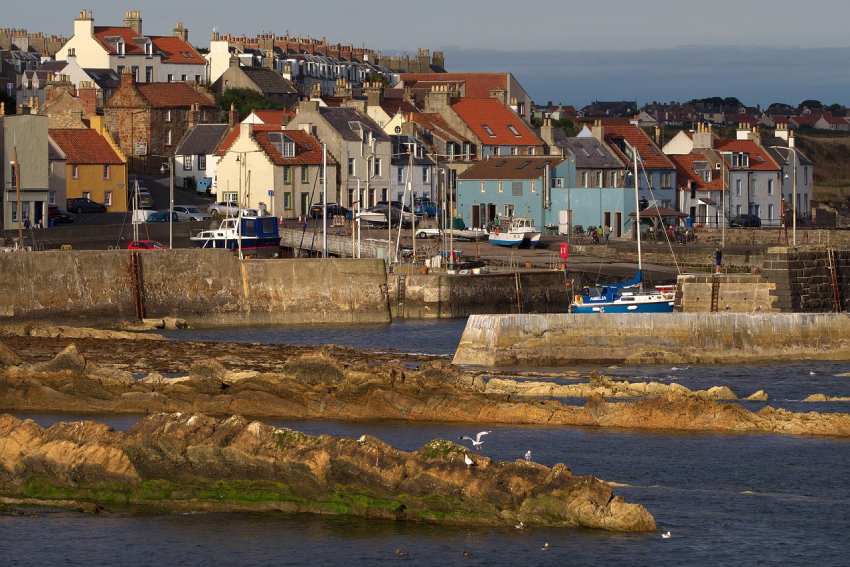
Not every memorable Scottish walk is about mountains. On the eastern side of Scotland, the Fife Coastal Path reveals another side of Scotland’s heritage: rocky coves sheltering quaint fishing villages, wide, sandy beaches and the cries of seabirds on the wind.
The section between Elie and St Monans is easy walking along golden sand, grassy paths, and rocky outcrops. Along the way, you’ll pass Lady’s Tower, a striking 18th-century folly built as a summer house, and the ruins of salt pans that were once central to Fife’s way of life. The villages themselves are picture postcard-perfect: whitewashed cottages and colourful harbours.
Best time to hike: Spring to Early Autumn (April to September)
Coastal weather is most pleasant in these months, with mild temperatures and less wind. Spring and summer also bring seabird nesting activity and vibrant wildflowers and bright blue skies. Autumn offers beautiful light and quieter trails. Avoid winter due to slippery paths and strong winds that whip along the coast.
Stay Overnight
Bankhead Farm – Camping and Caravanning Club certified site with basic facilities and direct access to the coastal path.
Sauchope Links Park, Crail – Slightly further along the coast but beautifully positioned by the sea with full camper facilities.
Start/Finish: Holyrood Park
Distance: ~4.7 km / 2.9 miles (circular)
Difficulty: Moderate
Allow: 1.5–2 hours

Why hike it?
One of Scotland’s most unusual hiking trails is right in the heart of its capital city. Arthur’s Seat is an extinct volcano in Holyrood Park, rising to 251 metres. From its summit, the whole of Edinburgh spreads out below you: Edinburgh castle on its rock, the Firth of Forth beyond and even the Pentland Hills on the horizon.
The circular walk is steep but manageable climb for most walkers, easily reached from central Edinburgh. It’s popular, but go in the early morning for a quieter walk or the evening for spectacular light.
Best time to hike: Year-round, best in Spring and Summer
Easily reached from the city and not too high, Arthur’s Seat is accessible year-round, though spring and summer bring warmer, clearer days and longer daylight hours. Hike it on a fine Spring day to enjoy the gorse and wildflowers. Autumn and winter can be windy and chilly but still rewarding if you are suitably dressed for the weather. Visit during Solstice to take part in pagan celebrations (pre-registration/booking needed with The Beltane Society)
Stay Overnight With Your Campervan
Mortonhall Caravan & Camping Park – Located on the edge of the city with easy bus access into the centre.
Edinburgh Caravan and Motorhome Club Site – Near the Forth estuary with good public transport links.
Start/Finish: at the Three Sisters car park
Distance: Approx. 4 km (2.5 miles)
Difficulty: Moderate to Challenging
Allow: 3-4 hours
Why hike it?
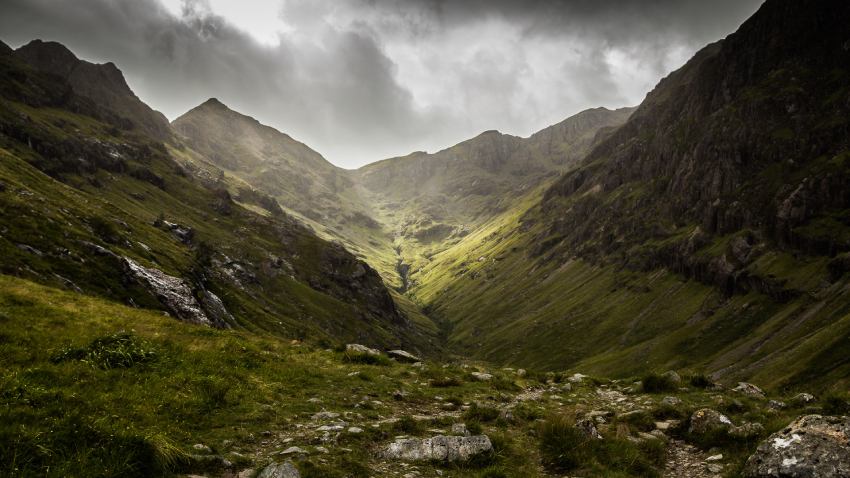
Few places capture the drama of the Highlands like Glen Coe, and few walks within it are as evocative as the Lost Valley, or Coire Gabhail. Hidden between the famous Three Sisters peaks, this secluded glen was once used by the MacDonalds to hide stolen cattle.
The walk features some rocky scrambles and a river crossing, and takes around three hours, there and back. It’s not long, but each turn reveals steeper cliffs and a more profound sense of being hidden away. Standing at the head of the valley, surrounded by towering walls of rock, you’ll understand why this is one of Scotland’s most atmospheric short hikes and feel a profound connection with its – often violent – clan history.
Best time to hike: Summer to Early Autumn (June to September)
Late spring offers blooming alpine plants and more stable weather. Early Autumn is stunning, with golden bracken and fewer midges. The trail can be muddy in wet conditions and challenging in winter, so summer offers the safest and most enjoyable experience.
Stay Overnight:
Red Squirrel Campsite, Glencoe – Very close to the trailhead, has a natural, wilderness feel to it.
Glencoe Camping & Caravanning Club Site – A short drive away with full campervan facilities.
Start/Finish: Bridge of Orchy Station/Kingshouse Hotel, Glencoe
Distance: ~20 km / 12.5 miles
Difficulty: Moderate
Allow: 6–7 hours
Why hike it?
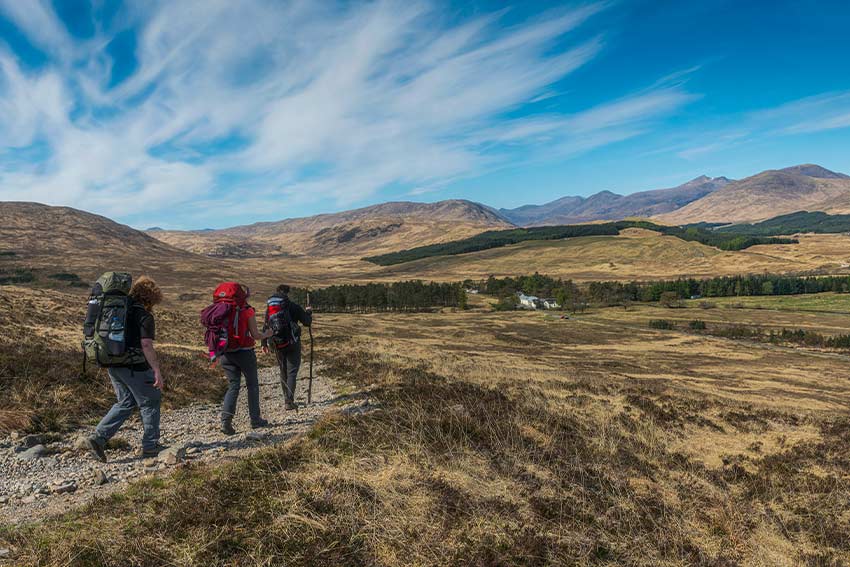
For those who want to experience one of Scotland’s long-distance hiking trails, try this stretch along the West Highland Way. The West Highland Way is a world famous walking trail, stretching nearly 100 miles from Milngavie to Fort William and giving walkers a true taste of the Highlands. This is one of its most rewarding sections, running 20 kilometres from Bridge of Orchy across the wild expanse of Rannoch Moor to Kingshouse in Glen Coe. Expect a day of big skies and open moorland, with views of Buachaille Etive Mòr looming as you approach Glencoe. The sense of wilderness is profound — yet at the end you can relax at the historic Kingshouse Hotel for a dram to complete your taste of the Highlands.
Best Time of Year: Late Spring to Early Autumn
May to September offers the clearest weather and best conditions, with fewer midges. Autumn brings golden bracken and crisp air, ideal for taking in the atmosphere.
Stay Overnight
The nearest campsites with campervan facilities are around Glencoe. You can park for the night with very basic facilities at Bridge of Orchy as part of the Stay the Night Scheme. Please check the scheme rules.
Start/Finish: Car Park near Allt-na-reigh
Distance: ~10 km / 6 miles
Difficulty: Very difficult – for experienced scramblers only
Allow: 6–8 hours depending on fitness
Why hike it?
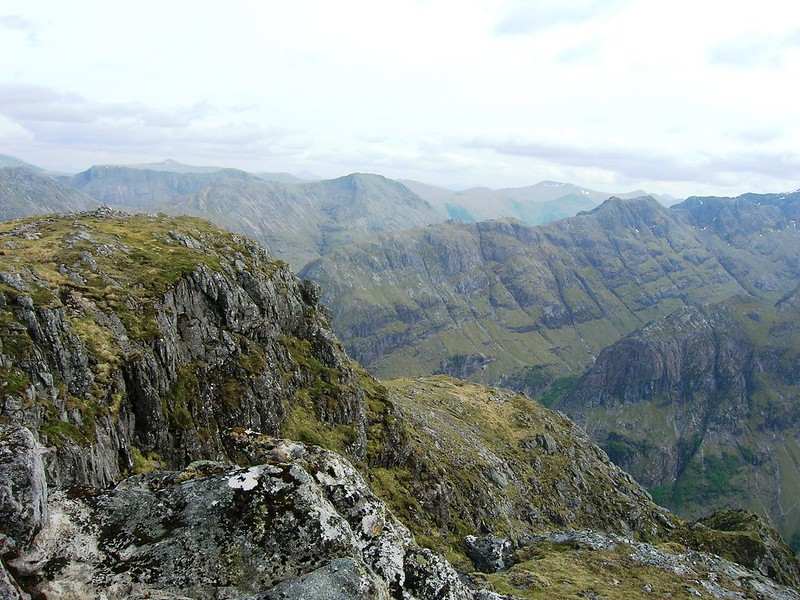
Aonach Eagach is known as the narrowest ridge on the British mainland, and this route stretches for around 10 kilometres along Glencoe’s north side. With sheer drops on either side, exposed scrambling, and six to eight hours of serious concentration required, it’s not for the faint-hearted.
For those with the experience and confidence, Aonach Eagach will reward you with immersion into Scotland’s wild, untamed natural landscape. You’ll see Glen Coe’s dramatic peaks laid out beneath you, the valley floor stretching to Loch Leven and the Mamores to the north. The atmosphere is wild and elemental, a reminder of just how raw Scotland’s mountains can be.
Best Time of Year: Late Spring to Early Autumn
Avoid winter conditions when it can be dangerous due to snow and ice. Late spring to early autumn is the ideal time for clear weather and easier scrambling.
Campervan-Friendly Overnight Stay
Red Squirrel Campsite – With a natural, wilderness feel, this campsite is close to the ridge’s end, surrounded by mountains
Start/Finish: Craigellachie village/Ballindalloch
Distance: ~20 km / 12 miles (one way)
Difficulty: Easy to moderate
Allow: 4-5 hours
Why hike it?
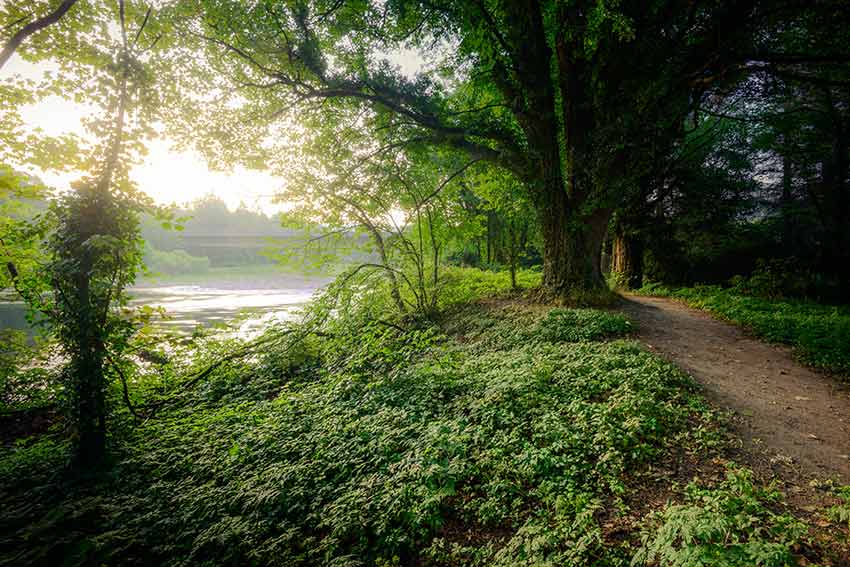
If Glencoe gives you insight into Scotland at its most rugged, Speyside reveals the central role played by whisky in Scottish heritage. The Speyside Way traces the River Spey through one of the country’s most famous whisky regions and this section – between Craigellachie and Ballindalloch is an easy path.
The path follows an old railway line beside the river, weaving through woodlands where wildflowers bloom in spring and leaves blaze gold in autumn. You’ll pass some of Scotland’s most famous distilleries en route including Dalmunach and Knockando. This walk is as much about Scotland’s heritage as it is about its scenery so allow time for a stop and a tasting.
Best Time of Year: Spring and Autumn
Spring for blooming wildflowers and wildlife, while autumn offers cooler weather and vibrant foliage colours. Whisky fans may prefer to visit distilleries in Autumn, during the quieter season.
Stay Overnight in your Campervan
Speyside Gardens Caravan Park, Aberlour – Well-kept site with good facilities, close proximity to the town and trail.
Start/Finish: Galmisdale (ferry terminal)
Distance: ~8 km / 5 miles
Difficulty: Moderate to strenuous
Allow: 3–4.5 hours
Why hike it?
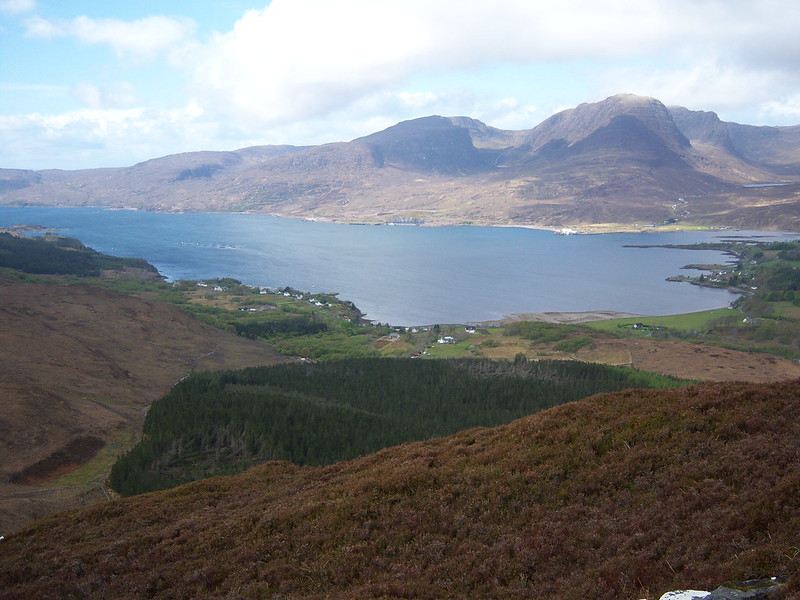
The Isle of Eigg is a lesser visited island among the Small Isles and climbing its dramatic peak, An Sgùrr, is an unforgettable and unique adventure.
The walk starts at the ferry terminal in Galmisdale and climbs steadily through moorland and rocky ground. It’s only eight kilometres there and back but the ascent feels steep and you’ll take around three to four hours to reach the top and come back. The summit is worth every step: a volcanic ridge that dominates the island, with panoramic views across the sea to Rum, Skye, and the mainland.
Eigg itself is a small island, with a strong community spirit. It feels remote and unspoiled with beaches like Laig Bay and caves like Massacre Cave, whose name references its dark history centuries ago. With its volcanic geology, diverse wildlife, and breathtaking scenery, Eigg offers a rare opportunity to experience an authentic, off-the-beaten-track Scotland.
Best Time of Year: Late Spring to Early Autumn
Late spring and summer are ideal for clear, dry weather and an abundance of wildflowers. Autumn also brings great views with the added bonus of fewer visitors.
Overnight Stay
Campervans can’t be brought onto Eigg, but you can base yourself in Arisaig or Mallaig on the mainland and cross over as a foot passenger, staying overnight in simple pods or at the island’s campsite. It’s a reminder that some of the finest Scotland hiking trails require a little extra effort — but reward you with memories that last a lifetime.
Eigg Camping Pods & Campsite – Cosy pods in a lovely setting.
Camusdarach Campsite, Arisaig (mainland) – Beachside campsite near Arisaig. Stay overnight here and catch the ferry to Eigg.
Start/Finish: Inverpolly Nature Reserve Car Park (near Loch Lurgainn)
Distance: ~5 km / 3 miles
Difficulty: Moderate to strenuous
Allow: 3–4 hours
Why hike it?
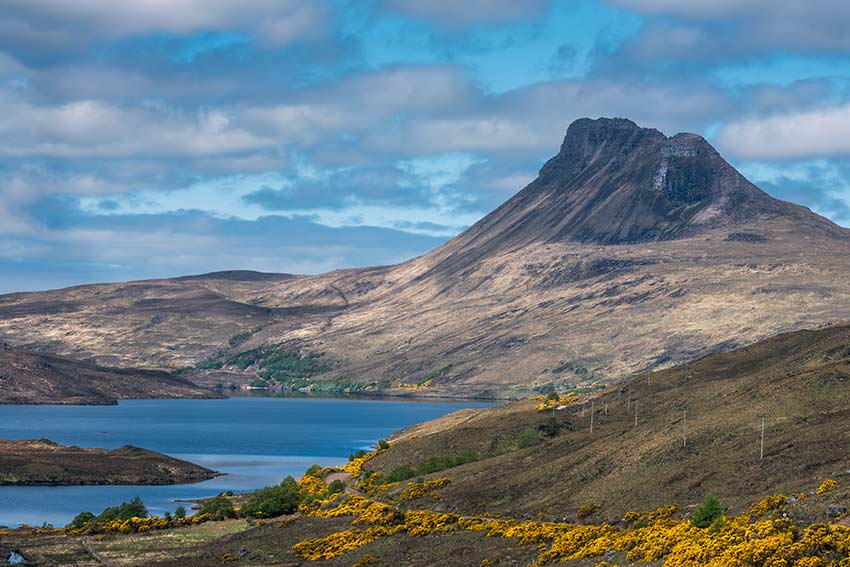
Stac Pollaidh is one of Scotland’s most iconic mountain views, known for its jagged, almost otherworldly summit. Its jagged ridgeline juts into the sky above Assynt, a region already famous for its dramatic peaks like Suilven and Cul Mor. A well-maintained path winds upwards before breaking into rocky scrambles as you approach the summit ridge. It’s not overly long, taking three to five hours, but it feels adventurous and offers some of the best views in the north-west Highlands. From the top, you’ll see a landscape carved by ancient glaciers — lochs glittering below, mountains rising like islands from a sea of moorland. Hiking Stac Pollaidh you will get a sense of the wildness of Scotland, with its dramatic geology reminding us of how ancient this land is.
Best Time of Year: Late Spring or Early Autumn
The clear weather in late spring and early autumn means these months are the perfect time for the scramble to the summit. You can enjoy the stunning views in relative peace without so many tourists. The exposed nature of this walk means winter weather is probably best avoided.
Campervan-Friendly Overnight Spots
Shore Campsite – A short drive away, right on the beach with stunning coastal views
Start/Finish: Bone Caves Car Park (near Inchnadamph)
Distance: ~4 km / 2.5 miles
Difficulty: Easy to moderate
Allow: 2 hours, including time to explore the caves
Why hike it?
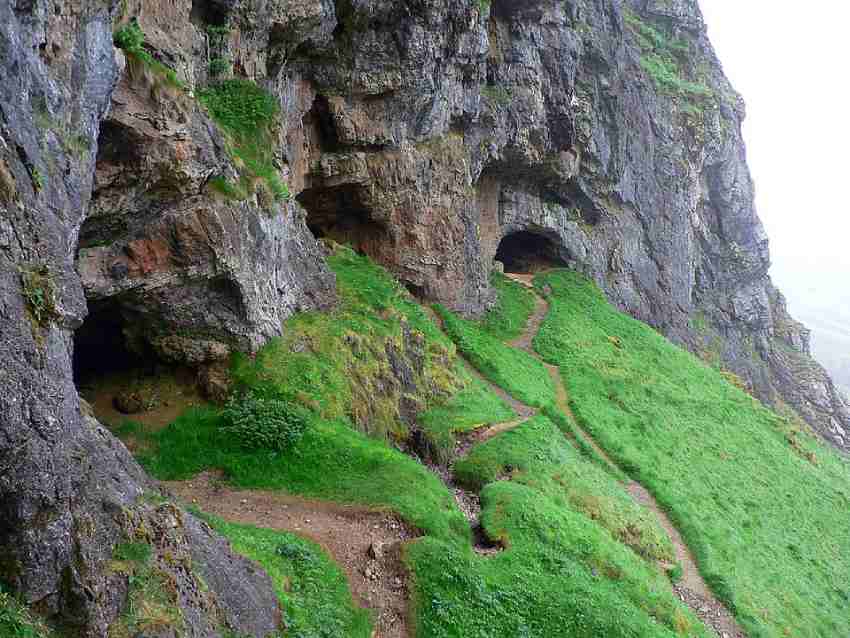
A bit further south in Assynt lies a hike quite different in character: the Bone Caves near Inchnadamph. This short four-kilometre route climbs gently along a glen to a set of caves in a limestone cliff. Archaeologists have discovered the remains of prehistoric animals here — reindeer, lynx, even polar bears — dating back thousands of years.
The walk itself is relatively easy, taking around two hours but the sense of stepping back into deep time makes it a worthwhile hike. The surrounding scenery is dramatic too, with steep crags and a river valley that feels far removed from modern life.
Pair the walk with a stop at Clachtoll Beach for a picnic with sea views, or visit the Assynt Visitor Centre to learn more about the area’s geology and archaeology.
Best Time of Year: Spring and Summer
The mild weather conditions in spring and summer allow for easier access to the caves, making these the ideal seasons for a visit. The path will be dry and wildflowers add colour to the glen.
Stay Overnight
There are no campsites very close to the Bone Caves so plan to push onto another destination after you have completed this walk.
Why go hiking in Scotland?
Scotland hiking trails aren’t just routes on a map — they’re invitations into the heart of the country. From high ridges that test your stamina to gentle coastal paths where the sea air carries the cries of seabirds, each trail shows you a different face of Scotland. Walking in Scotland’s landscape connects you with the country in a way that you can’t experience when driving past – however picturesque the views are as you drive past. Wherever you choose to explore, please follow the Scottish Outdoor Access Code: respect wildlife and the environment and leave no trace of your visit.
Hiking in Scotland: What to Bring
If you’re planning on hiking in Scotland, a little preparation will mean you get more out of your experience. The weather can change very quickly – sometimes in minutes. So, pack layers and waterproofs even in summer. In the Highlands, midges are a fact of life from June to August — repellent is essential.
Big Sky Campers Campervans for Hire
Scotland
The joy of exploring by campervan is that you are free to weave these ancient hiking trails into your own personal journey through the land. Park up by a loch for lunch, wake up at the foot of a mountain or watch the sun go down from a coastal campsite. Hiring a campervan in Scotland gives you the freedom to follow the weather, linger where you find a cool spot and immerse yourself in the country’s heritage and natural history by following one of Scotland’s hiking trails.
If you are looking for a campervan to hire to explore Scotland please take a look at our VWs. All our campervans for hire come fully equipped with everything you will need for your road trip in Scotland. Everything is included in the price, including extra sets of bedding if requested.
Got a question? Give us a call.
+44 (0)7768 973804

Or send us a mail
Reviews

Dylan Alstr
1 week ago
Friendly, accommodating, and very helpful staff. We had the Brodie van, which was very easy to drive, even for someone who had never driven a van before, especially in the UK! The solar panels were a real bonus, allowing us to be completely self-sufficient without having to go camping for a week. Thanks again, and see you soon!

Sophia Maggiolo
2 weeks ago
Our camper and the trip we had was the highlight of our entire trip! The Big Sky team explained the van and it's facilities very well, we had no issues using the van and everything it came with. They were prompt with communication and picked us up and dropped us off at the local train station. We left an item in the van and they were willing to meet us and give it back, which was very kind. We would highly recommend!

BW
3 weeks ago
Amazing experience across the board - brand new campervans that are extremely clean, modern, and drive nicely! Everything you need is also included which makes the experience that much nicer. Using the provided cookware to make meals on the stove in the campervan was the highlight of our trip.
George provided a seamless pickup/drop off process from Inverkeithing, and gave a complete and thorough orientation of our van, Corry, before we went off. 10/10 experience, would recommend to anybody looking to rent a campervan from Edinburgh!

Elena Catalina
3 weeks ago
The guys here were amazing, and George was especially helpful throughout the whole experience. Everything was straightforward, and the van worked really well. The introductory briefing was very useful, and whenever we needed anything during the trip, we could easily message George and get help.
We really enjoyed our first campervan trip! The van was very easy to use and drive, even on the other side of the road, which made the whole experience much easier.
Just a couple of small suggestions: the USB plugs didn’t work very well (one didn’t work at all), although fortunately we managed to charge our phone. It would also be great to have a few more hooks inside the van to hang clothes, jackets, towels, etc.
Overall, a fantastic first campervan experience, with great support from the team.
Highly recommended!

Lisa Hauser
4 weeks ago
We had the best time with Morven! Super reliable, well-powered, top-notch equipment, and very clean! The staff were very friendly; I would book again anytime!! Thank you, Big Sky Campers, for this wonderful holiday in the Highlands.

Rafael Gonzalez
4 weeks ago
An incredible experience. Four days in the Highlands with the campervan in perfect condition. Excellent service. Very good communication. We thoroughly enjoyed the adventure thanks to the support and information provided by Big Sky Campers. If we have the chance, we will definitely do it again. Highly recommended.

Jake Bezuidenhout
2 years ago
Excellent service and interaction from Rob and team. Painless pick up and drop off. The instructions on the vehicle were clear and easy to understand. Will definitely be using them again.

hewson maxwell
2 years ago
Great campervans and lovely people who really want you to enjoy the experience. Highly recommend.

Marianne Laliberté
2 years ago
My boyfriend and I hired Flora for 8 nights back in october. We promised ourselves to leave a review because our experience was wonderful. The staff was very helpful and very kind. Special mention to Rob who really took time to give us tips & tricks for travelling around Scotland! We had a great time with Flora and I think Big Sky Campers is a trustworthy campervan hire company: the service is good, the price are affordable, the campers are beautiful and well-equiped. Thank you for the wonderful experience! We had a great time.

Thierry Hubert
2 years ago
We rented Rowan for 4 days at the beginning of October. Our first experience in a van! Our rental with big sky campers was perfect. The welcome, the Vanlife course, the van like new, the sleeping equipment and finally the kindness and sense of service of our rental company from our check in to our check out. And Scotland in a van is freedom in magnificent landscapes and campsites reserved for vans and motorhomes. Experience it after Edinburgh and do it with Big Sky Camper.

Patric Bartlett
2 years ago
Excellent company, friendly, helpful and professional. The vans are modern, well fitted and have everything you need for a road trip. Will certainly use again and you definitely should too!

Martin K
2 years ago
We rented the Bonnie camper for three weeks in August. Everything went really well, the vehicle was in very good condition and we had no problems at all. The personal contact and service was also very friendly and helpful. Any time again.

Rob Mullings
2 years ago
We traveled from London and picked up our camper Freya for a trip around Scotland. From start to finish the whole experience with Big Sky Campers was absolutely incredible. We did look at other companies but Big Sky is family run and make the process so easy. Such lovely people and really care about their customers. Thank you Rob, Alex and George we will see you very soon. Already planning our next trip with you guy's. If you're looking to hire a camper and see Scotland go with Big Sky Campers, you won't regret it. Highly recommended.

Morgan
2 years ago
Rented a van for 3 nights and had the most lovely time. The team was very accommodating with all the information we needed ahead of taking off and even shuttled us back and forth to the local train station. Their website is incredibly helpful with lots of excellent campsite and route recommendations and the vans themselves were top of the line, clean, and very comfortable for two people. We were also grateful for the automatic transmissions.
Highlight of our trip for sure!!

Samantha Eastman
2 years ago
We rented freya the van for 12 days, she drivers so easy, easier to drive than a car or truck surprisingly. We were able to drive all over Scotland 🏴 it was amazing, if I ever come back I would rent through this company again, the owner was excellent and sweet.

sian bailey
2 years ago
We recently hired "Magnus," a VW camper from Big Sky Campers, and our experience was fantastic from start to finish. The pickup process was smooth and straightforward. The staff took the time to show us all the functions of the camper, which was clean, comfortable, and spacious—perfect for our family of four.
We spent a week traveling around Scotland, and the camper was easy to set up at our overnight stops. Its size was ideal for navigating some of the tighter roads, and driving it was a breeze—especially since we opted for the automatic transmission. One tip: remember to bring a USBC cable for the CarPlay satnav! We forgot ours, but George kindly loaned us one.
Dropping off the camper was just as easy as picking it up, and the location of Big Sky Campers is very accessible. The staff were incredibly helpful and friendly throughout our rental experience. We’re already looking forward to hiring from Big Sky Campers again in the future!

Rachael Turner
2 years ago
Amazing campervan, very comfortable to drive and stay in. The facilities in the van are great, easy to use and it was dog friendly too. We had a fantastic holiday thanks to big sky campers.

Melyne
2 years ago
We rented Oona for a week.
The stay was fantastic! The van was ideal for this road trip in Scotland, it is super well equipped, you don't have to plan anything. Big Sky Camper remains available quickly if you have the slightest problem with the van.
We recommend with your eyes closed!

D. W.
2 years ago
We had a great time with "Brody". The vans contain everything you need! Reliable and quick rental responses.

Kerstin Kehren
2 years ago
We rented Freya for a three night road trip to the Isle of Skye. I cannot recommend Big Sky Campers enough. The vans were terrific to drive and well-equipped - luxury on wheels. But the customer service is what really sets Big Sky apart. We had a hiccup with the required documentation on arrival (an error on my part) and Big Sky were incredibly helpful and patient with trouble shooting and resolving the issue. They saved our holiday and we were so grateful! I would recommend them in a heartbeat.

Petra Arenz
2 years ago
A perfect stop. We looked for English Gas including English Adapter for German System and asked them. They could help us with the advice to go to the big shop of Russell Gas & Lawnmower Centre in Edinburgh, 5 Bankhead Crossway N, Edinburgh EH11 4BZ, Vereinigtes Königreich. Here we found we looked for perfect andca food price. 129£ for 11 kg Gas including the Adapter with hose.

Paul McPhillips
2 years ago
We recently hired Flora for 5 nights from Big Sky Campers. They are a first class company to deal with. In terms of service it was brilliant. We pitched up at their base to have a look at the vans available for hire and George was more than happy to help two 54 year old newbies about to set off in a campervan for the first time. George was extremely friendly , helpful and explained how the rental process worked and showed us around the vans.
A super first impression.
The communications leading up to the hire day were very good and detailed.
On the day we picked up the van we got a full demo of how the van operated etc I’m aware of other companies who just send you a video. We thought this was very important. The van was immaculate when we picked it up.
The van itself had everything you needed for a trip. Cooking facilities, fridge, charging points, bedding, towels.
The van is easy to drive and can be parked in a standard parking space.
We asked a few questions prior to picking the van and always got a prompt response. I got the impression that Rob would try and do whatever he could to ensure his clients had everything they needed to have the best time on their travels,
This was also quite key for us they love dogs and had vans for hire catering for dogs.
All in we had a superb 5 nights and would highly recommend Big Sky Campers,
Paul, Susan and Frankie.

Petr Huf
2 years ago
We rented a van for 6 days. It was one of our best vacation experiences ever. The vans are in a good technical condition and really well made. The layout is very practical. It is well isolated. We didn't need to use the heating at all. Rob supplies all the necessary equipment - bedding, cutlery etc. There was exactly everything we needed. We didn't need to bring any of our camping equipment. We used almost everything and we didn't miss anything. For example there was beer opener and can opener. It's surprising in how many Airbnbs these are missing, but here they were. It's clear that these vans are build and equipped based on a strong experience. We also appreciate no ads or commercial labels on the van. The communication with Rob was clear and efficient. Train station pickup and drop was really convenient.
From time to time I encounter exceptional companies. And this is one of them. This is how you do the business. Rob goes beyond and tries to provide great holiday experience for his customers. We didn't need to be afraid of being ripped off or charged extra because of made up damages, strange insurance, extra equipment etc. Which is a common case in rental companies. Instead there is very human approach. The desire is provide a great experience for the customer. Money is not the strongest and the only motivation here. And that we really appreciate.
We wish all the best in the upcoming years! Keep it up :)

TJ Theodore
2 years ago
We rented two camper vans from Rob at BigSkyCampers and spent 4 days of our 2 week UK vacation hiking Isle of Skye and Glencoe. The vans had everything we needed, we were blessed with great weather, and the hikes and campsites were all epic. All of the Scots we met along the way were so friendly. Wish we allocated more time to this leg of the trip. A good reason to return!

SpongeBob Squarepants
2 years ago
We rented Flora for a week and had a great experience! Everything we needed was included in the van, and all equipment ran smoothly. The van was plesantly easy to drive along the small roads of the Highlands, and quick to set up at campsites.
Thanks to Rob & Alex for being so helpful during the whole process! Highly recommend :)

Jelena King
2 years ago
We had a great time with our baby blue Mac! Easy to operate camper van, a good drive and lots of adventure. ????

Jim G
2 years ago
We hired Ruby last week for a visit to the NW coast. Very confortable and drove beautifully. Super efficient pick up and hand over. Rob and his team are very friendly and go the extra mile.

Sarah Hodkinson
2 years ago
Amazing company, holiday quite literally of a lifetime. They supported us with everything throughout the trip, gave us so much information ahead of heading out and the van is amazing!! Our van was perfect for 2 people. Thank you Rob and team for making this such a trip to remember, we are already planning another trip and will definitely be booking with Big Sky Campers!

Sharon Sharpe
2 years ago
Sorry for the late review life is just too busy ! We had the most idyllic weekend in March ... the perfect way to see some amazing places travelling around in the lovely Mac ... Scotland is just so so beautiful!! Big Sky Campers are so friendly and helpful , without a doubt we will definitely be recommending them to everyone!!!

Dorian Robertson
2 years ago
We had Freya for 10 days. Did the NC500. Thanks Rob and George for the seamless collection and hand back of the vehicle. New van and a wonderful road trip was had. Dorian and Annemarie

joe parker
2 years ago
5 star experience from start to finish. The team at Big Sky Campers was fantastic to deal with, great customer service and was on hand to quickly respond to any questions. The van was amazing, we had magnus and couldn't have asked for much more. The van was clean and stocked with everything we could have needed. Would recommend to anyone who is thinking of hiring a campervan in scotland. We did the NC500 in the camper and couldn't have been happier.

Milena Gähwiler
2 years ago
We had an amazing holiday thanks to big sky campers. We rented the van for 6 nights in march. This gave us plenty of time to explore the Isle of Skye and some of the Mainland. The communication between us and big sky campers was seamless. The pick-up and the drop-off was easy, fast and friendly. The Van itself was also amazing, the bed was comfy, the stove and fridge great. Everything you could need was already in the van.
Absolutely would rent there again! Warm recommendation for everyone who is looking for van for the holidays.

Roland Ellingworth
3 years ago
Overall the van was super clean and really well maintained. Issue from our side was around paying for an additional driver to be included and highlighting that an international driving license would be used we had been informed by Big Sky campers that we need to confirm that its valid for the UK, which it is. When collecting it was not accepted and we asked for a refund for the additional driver as it was not required it was simply refused.

Teddy Elliman
3 years ago
We had an incredible trip exploring the Scottish Highlands! The van had everything we needed, the staff were incredibly helpful, accommodating, and kind. Highly recommend!

Blacks Male Salon
3 years ago

Peder North
3 years ago
Friendly service, they'll pick you up from Inverkeithing train station. New VW Transporters with everything you need, power hookup, hob, gas heating the works.
Great value(almost half price compared to big renting companies!), and they won't scam you out of your deposit!

Titouan Danycan
3 years ago
Great experience with Betty, it was really great. Thanks to Rob for his advice and kindness. We highly recommend big sky ;) see you soon.

Ysabel Teo
3 years ago
Rob and his team were very patient and assuring with my many questions (being the over-thinker that I am) even before we collected the van. We had the pleasure to drive Bonnie, the beautiful and reliable campervan with HEATED seats! This was such a life saver in winter. Also, everything we needed was all in the cost - no hidden fees!
Despite my first time driving a van, it was super easy. Thank you again to George, who sent us from and to the station, saving us precious time and money. Definitely recommend Big Sky Campers!

Tom Codyre
3 years ago
We had an amazing 6 nights exploring Loch Lomond, Glencoe, Skye, Ness, and the Cairngorms in late November. Big Sky Campers in the best in the business and I have nothing bad to say about them or the vans. They include everything without extra charge and are very personable and understanding for what’s needed for this type of adventure. They are super fair and honest with security deposit and don’t rip you off like some other larger companies may attempt to. Well worth the cost for the service and all that’s included. 10/10, will come back again!

Emma Gibbs
3 years ago
We had an absolutely magical trip with Big Sky Campers in October. The van was cosy and comfortable (even with two kids who insisted on sharing the bed with me), it was a pleasure to drive and we had everything we needed – including hot water bottles for those chilly nights. The team at Big Sky Campers was amazing from the very start, giving us suggestions of great campsites and places to go, and put me at ease about driving a much bigger vehicle than I'm used to. One of those trips that we'll be talking about for a long time – thank you!

K
3 years ago
I recommend Big Sky Campers. Individual approach to the client. Helpful owner who patiently answers every question.
The cars are in very good condition.

Alex Mcfadden
3 years ago
Cant recommend Big Sky Campers enough. Excellent customer service throughout. We hired Bonnie and she was a dream to drive and stay in. Will definitely be using them again for our next adventure. Thank you Rob & Alex.

Laura Lemaitre
3 years ago
Extraordinary experience lived aboard the Oona. The van was really comfortable, clean and very well equipped. We were able to discover the Highlands and the Isle of Skye. A very professional, accommodating and attentive team. We are already nostalgic. I highly recommend Big Sky Campers to discover the magnificent landscapes of Scotland ⭐️

Simon Olander
3 years ago
We went on a great trip back in June, and everything was just great. Really professional communication and support from the team. But also a great car that was clean, well kitted, comfortable and just a blast to drive. I do really not have anything else to say! Highly recommend.

Stevie Downie
3 years ago
Fantastic weekend in Freja she had everything we needed for 2 adults and 2 fur baby's.The team at big sky campers were fantastic I can’t recommend this company highly enough if you are looking for all in with no hidden costs camper van hire give them a go

Stephen Ripley
3 years ago
Just back from a week of the NC500. The van (Mac) was ace, everything we needed and more was included and it performed flawlessly. Unlimited mileage and dog friendliness made them an easy choice. The booking, collection and return process were a breeze, and Rob and George were both lovely guys and a pleasure to deal with. If you are thinking about a trip, then these are the guys to use.

Stacey Mccullow
3 years ago
We had Harry for our family holiday, he didn't disappoint.
Thoroughly enjoyed our time away. Thank you.

Mattrach Dollimore
3 years ago
OUTSTANDING!! - we hired a camper van from here, was incredibly easy process to collect, everything included, all needs catered for. The van was spotless, and drive was perfect. Very approachable staff, Rob and Alex there to help throughout our journey, collected and dropped us at the station. Very down to earth, and accommodating. If you are going to hire a camper van in the north of Scotland, this is the company you should use!!!

Nathan D
3 years ago
We had an absolutely lovely time spending 8 days exploring the Highlands in Brodie. The van was excellent, and Rob and George made the whole experience welcoming and easy. If only every vehicle renting experience was like this, the traveling world would be a much better place.

Megan Jones
3 years ago
A huge thank you to Big Sky Campers for making the Scotland leg of our family UK & Europe trip so seamless. They communicated promptly and went out of their way to accommodate our needs at pick up and drop off. Our van Magnus was perfect, easy to operate and roomy enough for the 4 of us (2 adults, 2 teens). We loved our time in Scotland and the freedom that having a campervan gave us. We hope to come back one day!

Paulina Kobelska
3 years ago
Thanks to Big Sky Campers we were able to make our long-standing dream of travelling around Scotland come true in July 2023. It was a great adventure - Rob, Alex and George are simply the best team who care about their customers :) We received answers to all our questions and felt really 'looked after'. Campervan Magnus was our home on wheels for two weeks - perfectly equipped and comfortable for a family of 4. It met our expectations in every way:) We will definitely return to beautiful Scotland in the future (NC 500, Orkney Islands, Shetland Islands...and many other magical places) and we will hire a campervan from Big Sky Campers! Best greetings from Poland to the Team and see you in the future :)

Marie-Pierre ORTNER
3 years ago

Valentin Barthouil
3 years ago
Very good rental experience with Big Sky Campers.
Quality vans, very good advice for the trip. Quick and efficient exchanges even during the rental and transfers from Inverkeithing or ferrytoll to go to the airport.
Thanks Rob and Alex!!

Elinor Clark
3 years ago
We had an amazing holiday in early July with 'Duncan' from Big Sky Campers. The van is really spacious with everything needed for a home away from home and my husband said it was great to drive!
Everyone at Big Sky Campers was really, really helpful, friendly and professional with excellent customer service and as a plus, their website gives you some great tips for places to visit and how to make the most of your holiday.
Highly recommended, I am already looking to book my next break with Big Sky Campers and if you are looking to book a campervan break, you will not be disappointed!

Farid ATMANI
3 years ago
Rob and his associates at Big Sky Campers are very kind and helpful.
They picked us up from the train station to the warehouse and vice versa when we returned the van.
Speaking of the van, it was delivered in excellent quality, with everything we needed, as promised.
It made our journey in the Higlands so pleasant.
Thank you so much for your excellent service. I definitely recommend Big Sky Campers for van rental.

Sarah Paterson
3 years ago
Great service and friendly - we were cozy in Ruby fir our week away
Peterhead- Kinloss - Rothiemurchus,Braemar
Thank you

Thomas Frow
3 years ago
We rented Flora for a week to do the NC500 as our honeymoon.
She was absolutely amazing and handled a few of the dodgy roads with absolute ease.
The van was in amazing condition, was comfortable and really was just great fun!
The team also were so helpful and nice to us when we picked the van, a pleasure to deal with.
An all round excellent experience!

Anna Keranen
3 years ago
We booked Bonnie for a week and absolutely LOVED our time! We had 4 adults in one van and it worked out just fine if you are okay being a little close. We never had to book a campsite. We were able to wild-camp each night and finding water to refill was our only difficulty. Your camper van has everything you would need— there are chairs, tables, cooking ware, bedding, etc. The team was very accommodating, friendly, and helpful. They picked us up from the train station and dropped us off after we were done with our stay. It was a zero stress experience and would HIGHLY recommend Big Sky Campervans to other travelers! You will have a blast!

Greg Melish
3 years ago
Absolutely recommended. We had a great experience with our van from Big Sky. The van drove wonderfully. The amenities of the van were great, including the expandable roof. The beds were very comfortable. The van was also very well insulated so it stayed a comfortable temperature all night. I would absolutely recommend Big Sky Campers, and I would not hesitate to hire their van again.

Sophie B
3 years ago
Had the best trip away with Big Sky Campers. From initial enquiry to drop off Rob and the team were responsive, reasonable, and a good laugh. We were picked up and dropped off to the station with no bother, which was ideal. Brodie was the ideal vehicle who handled all roads and weather's. The fact that everything is included is a real bonus. Already highly recommended to everyone, and hope to book again very soon.

Eilish Wells
4 years ago
Big Sky Campers was the perfect place to hire from, we hired flora and she was amazing. Clean, in very good condition and came with pretty much everything we needed. She was the perfect companion as we travelled through the North Coast of Scotland. I will 100% be using them and would recommend to anyone.

Maryne Aquarone
4 years ago
We had a lovely 2 week trip around the Scottish Highlands and the Isle of Skye in Harry! He is fully equipped and has unlimited mileage which for us was a must! Driving on the left was an adjustment at first but overall Harry was easy to adjust to and not too big which was perfect for the single track roads up north. Rob was very quick to reply and came to pick us up at the nearby train station which is an added bonus! Would book again without hesitation.

Martin Randler
4 years ago
We had a wonderfull trip with Betty around Scottland and luckily had almost no rain :-).
Pick-up, hand-over and return of the hire was well arranged and super professional. Thanks to Rob and the team, we always felt in good hands!
Best, Martin and familiy

Elise V
4 years ago
We rented Mac, the Jeep Wrangler with rooftop tent for the week and had an amazing roadtrip with it. The car was very well equipped with everything you need and communications with Big Sky campers went really well. Would highly recommend!

Alexandra Cocarla
4 years ago
Flora was the best campervan we could have asked for! Extra cozy and worked perfectly. Owners are wonderful people too.

Eric Herrmann
4 years ago
Me and my girlfriend had an excellent one week long trip with Wallace - the Landrover Defender. Booking the Landy on the website was very easy and handy. The pickup of the car and service as well as explanation provided by Rob and Alexa was perfect. The car itself is magnificent - very clever design, kitted with everything you need and for me as a Defender enthusiast one of the big highlights on my Scotland trip itself. ;)
I can only recommend booking Wallace or one of the other camper vans with Big Sky Campers to explore Scotland! I especially liked the personal and individual style of the cars and service compared to the other car rentals!

David Haas
4 years ago
We rented the VW California with integrated kitchen and bed. The car was as new, very roomy and comfortable.
Rob is very helpful and you notice right away that he loves what he is doing :)
Can only recommend - 5 stars :)

Jurģis Stukuls
4 years ago
Rob was very kind and helpful. Picked us up from the train station and delivered back after the trip.
Car was perfect and we enjoyed it. VW T2 gave us retro celebrity feeling 😀

Hannah Hatt
4 years ago
We just got back from a 7 night trip driving Rowan around the NC500. We had the best time - we were travelling with our 2 year old daughter and Rob and Alex made it so easy for us, providing everything we could need for a comfortable stay. It was our first time driving and staying in a campervan and the whole process was so straightforward - Rob made sure we knew how everything worked before we drove off. I highly recommend Big Sky Campers for campervan rental!

Chloé Lewis
4 years ago
My family rented Flora for me post-covid for the weekend as a multiple-missed-birthdays treat! She was an absolute pleasure to drive and has been maintained beautifully. We travelled to Mull and Iona and got lots of waves and smiles as we drove by, she certainly brought the sunshine when it was raining. Such an amazing experience, I've always wanted to drive and original VW T2 ???? BSC were super knowledgeable and helpful, so easy to communicate with and gave us lots of tips. Would definitely recommend Flora if you want a classic roadtrip experience!

Elise Heuston
4 years ago
I recently hired VW Brodie for a 2 week trip around the NC500, Lewis & Harris and Skye and cannot fault the service received and Brodie himself! The van was the perfect way to drive around those twisty Highlands roads, the bed was comfy and everything you need was there for you. I can’t thank Rob enough for the friendly service and fantastic van!

Debbie Mackie
4 years ago
I did a LOT of research when looking to hire a campervan to do the NC500. I’m so glad I went with Big Sky Campers! They were very transparent about costs, were flexible and clearly take huge pride and care with their fleet. Rob made us feel that the van was there to be enjoyed. We had Rowan and she was clean, comfortable and had everything we needed. I wouldn’t hesitate to recommend Blue Sky Camiers and I’ll definitely go back to them when planning our next adventure!

Heather Shepherd
5 years ago
I had the most fantastic long weekend driving Dougal, the vintage VW around the beautiful roads of the Highlands. He is a true dream to drive and super spacious for two people!
I can’t thank Big Sky Campers enough for making the whole experience so wonderful. They did a fantastic job in helping us plan our route and we got to see so many incredible sights as a result.
Alex and Rob were extremely accommodating, they answered any questions we had and gave us a thorough tour of the van before setting off. They were also super reassuring as I hadn’t driven a vintage van before and this extra level of care made the journey that much more rewarding ????
Thank you both for such an incredible experience, I will be recommending you to all of my family & friends!!

Angelica Black
5 years ago
Had a wonderful trip with Dougal over a long weekend - the van was everything we needed! Really comfortable and cozy. We weren’t completely set on a route but the Big Sky team helped us out with some suggestions of destinations, scenic roads, camper van parks and places to eat and drink. The van was easy to drive and if a hiccup ever came up Rob was always on call. Looking forward to another Big Sky adventure soon!

Archie Oxenbould
5 years ago
Had an absolutely amazing 2 week escape with my partner in Duncan. Could not recommend Big Sky enough. Rob & Alex are incredibly friendly and responded to any questions we had over our trip. Definitely the best way to explore Scotland.

Leonie Wright
5 years ago
We had a lovely 4 night stay in Magnus. Very easy to book, the van comes with everything you need and it’s an easy train ride from Edinburgh to pick up the van with the owners coming to meet you at the station! Have recommended to all our friends and we would definitely book again to see more of picturesque Scotland. Thanks Rob and Alex :)

Arlene Johnston
5 years ago
Brilliant company and lovely people. The van was top and Rob and Alex couldn't have been more helpful. Plus they have dog friendly vans so you don't have to leave the pup at home! Will definitely use again!

Laura Coll
5 years ago
Absolutely amazing service from Rob..Camper-van was immaculate and booking process was so easy. The van itself was amazing, easy to drive and soooo comfortable - what a weekend we had with Ruby (van) climbing Ben Nevis. No hesitation in recommending this company. I will absolutely be booking again and again and again! Rob - thank you, fantastic service! Can’t thank you enough!

Samantha Waters
5 years ago
We have just given back ‘Harry’ who we hired from Rob at Big Sky Campers. We have had a lovely holiday and couldn’t recommend a camper van holiday enough…if you’re looking for campervan hire in Scotland, then Rob is your guy. He was accommodating and friendly from start to finish throughout the whole experience which really made a difference. The campers come equipped with everything you would need which means you can just rock up with your personal belongings and head off without having to worry. Another thing we agreed was lovely was the lack of branding on the campers, travelling around we saw some with lots of massive garish logos all over them, we loved that the camper didn’t bring attention to himself and as novice campers, made us feel more at ease and inconspicuous in situations which were new for us. All in all I would recommend them to anyone and Robs service and kindness certainly makes the business extra special.

Zebra Dee
5 years ago
Everything was included, no hidden extra costs. Genuine, helpful people who are at the end of a phone if you have any questions about the van whilst you're away. Quick replies to emails. Van was lovely and surpassed my expectations.
Awards


